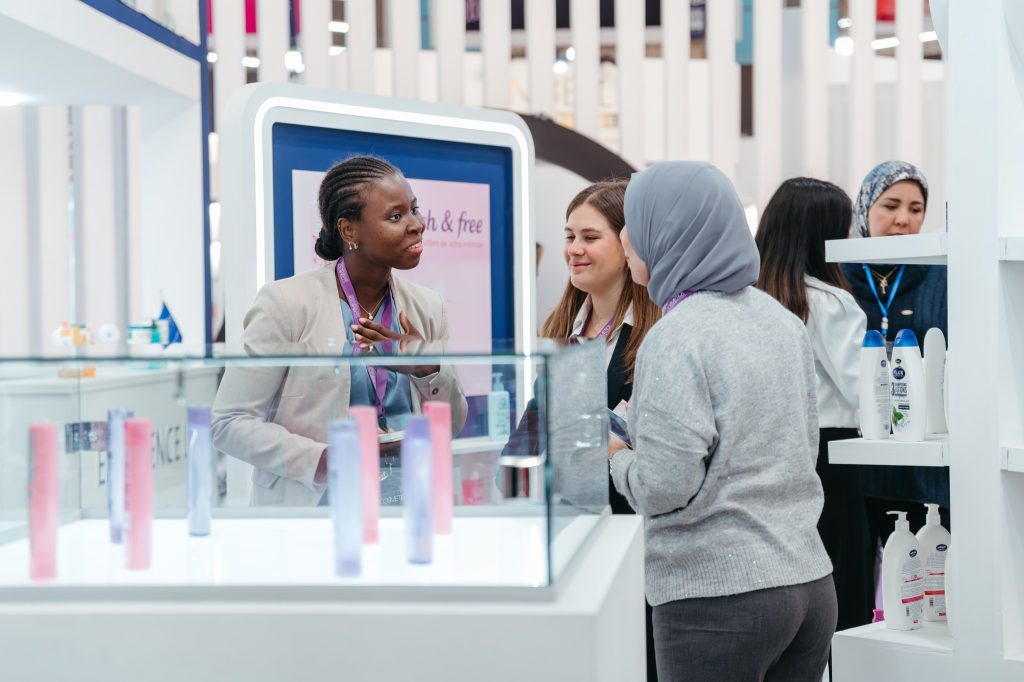

The beauty and cosmetics industry in Algeria is undergoing a quiet but profound revolution. In just a few years, the country has shifted from a consumption model based on massive imports to becoming a true regional production hub. This structural transformation is not a matter of chance: it is driven by a political commitment to economic diversification and by the emergence of a major industrial catalyst: COSMETICA AFRICA.
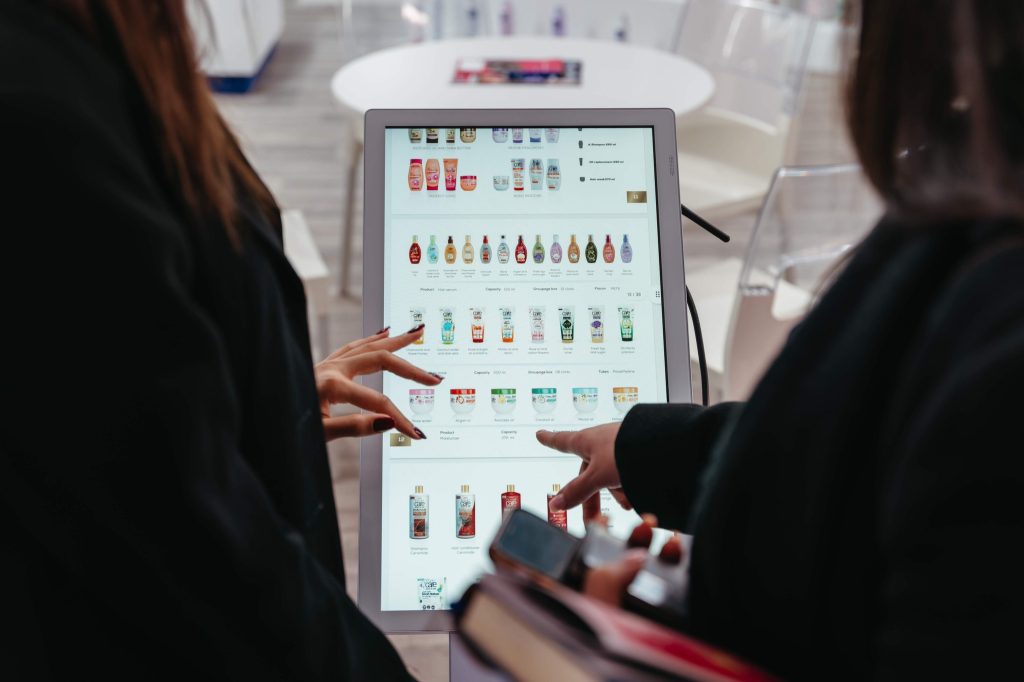
1. The “COSMETICA AFRICA” Effect: A Catalyst for Growth and Professional Development
Since its launch, COSMETICA AFRICA has been more than just a trade show. It has established itself as the backbone of the industry. Before this event, the sector suffered from fragmentation that hindered its growth.
The trade show has fostered a culture of “local sourcing” and technology transfer through three pillars:
- Value Chain Integration: By bringing together raw material suppliers, packaging manufacturers, R&D laboratories, and distributors under one roof, the trade show has enabled the craftsmen of yesterday to become the industry leaders of today.
- International attractiveness: By providing a clear picture of Algeria’s potential, COSMETICA AFRICA has reassured foreign investors, facilitating the establishment of technical partnerships and joint ventures.
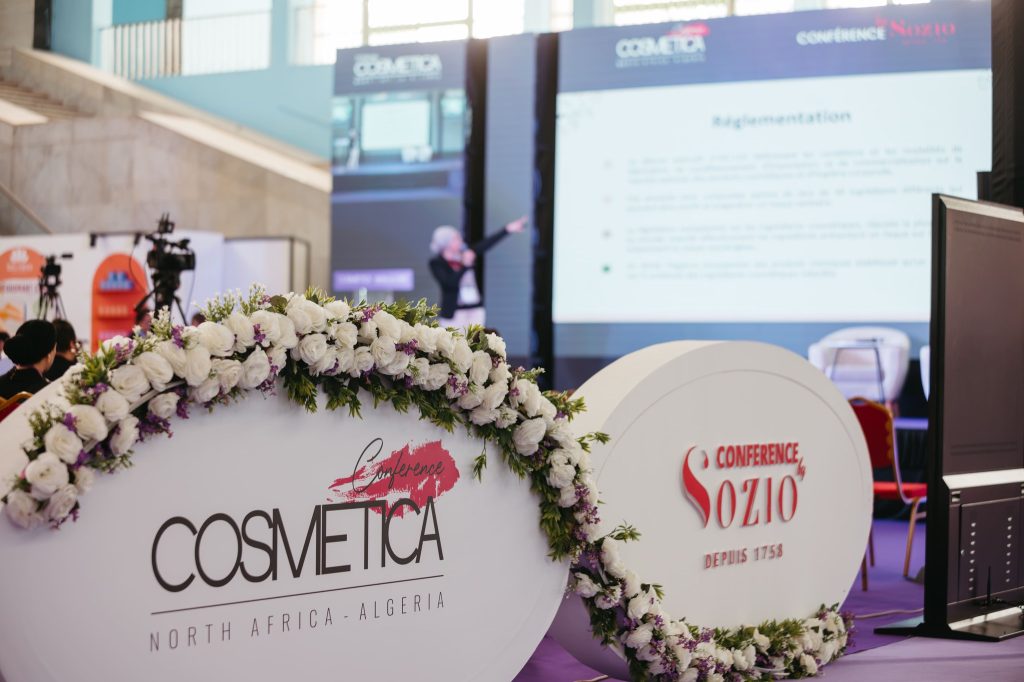
- The Commitment to Quality: Through conferences and workshops, the trade show has made international standards more accessible, propelling the “Made in Algeria” label toward global safety and quality standards.
2. Data Analysis: An Industry Undergoing Major Transformation
The figures reflect the profound transformation of the Algerian cosmetics industry. Driven by a policy to develop local production, a surge in industrial investment, and the growing prominence of trade events such as COSMETICA AFRICA, the sector has now established itself as a key driver of economic diversification.
- A Historic Decline in Imports: During his visit to COSMETICA AFRICA, the Minister of Trade and Export Promotion revealed that the cost of importing cosmetics fell from over $500 million to just $58 million in 2024. This shows how far the domestic industry has grown and how much more competitive it has become.
- Strengthened industrial sovereignty: The minister also emphasized that local production now covers nearly 70% of the Algerian market’s demand for cosmetics. This achievement reflects the growth of national industrial capacity, the rise of Algerian manufacturers into higher-end markets, and the development of an increasingly structured ecosystem.
This success has been recognized at the highest levels of government. At a previous inauguration, the Minister of Trade and Export Promotion stated: “The cosmetics sector has become a driver of economic diversification, and COSMETICA AFRICA is the strategic tool that transforms our ambitions into concrete results on the ground.”
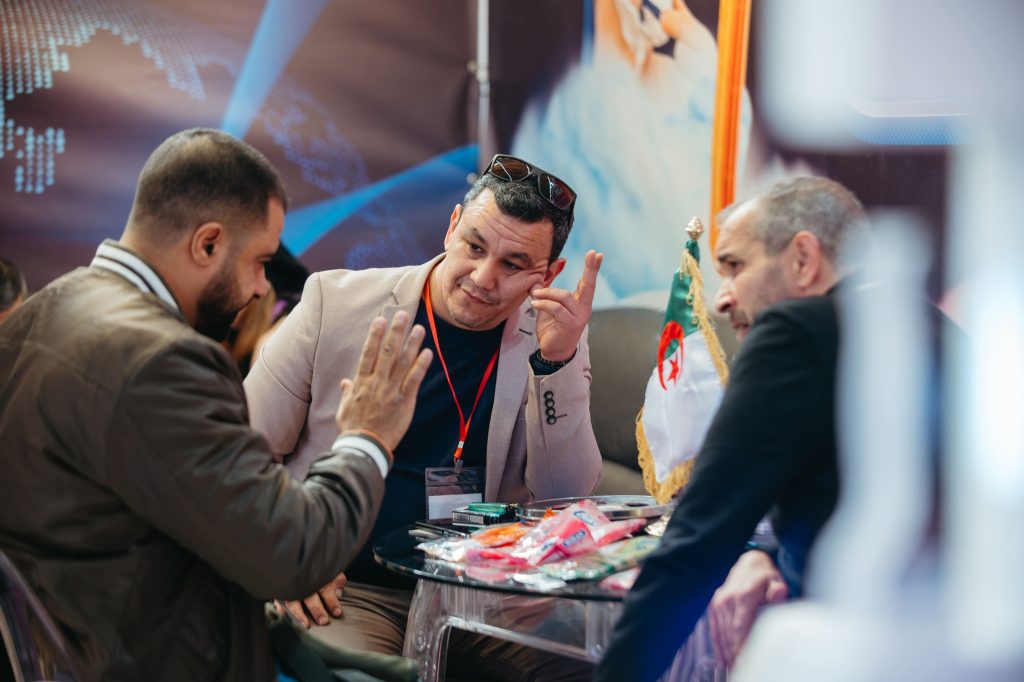
3. Towards 2027: COSMETICA AFRICA Becomes Africa’s Leading Beauty Fair
Far from sitting on its achievements, COSMETICA AFRICA is already preparing for the future. The 2027 edition promises to be a milestone for the continent’s industry.
An infrastructure that matches our ambitions
To meet growing demand, the trade show will double its capacity. By expanding to two entire pavilions, it will offer a record-breaking exhibition space, allowing for more detailed segmentation (Cosmetics, Packaging, Machinery, Ingredients).
The 500-exhibitor milestone
The 2027 edition is expected to host 500 exhibitors. This lineup will bring together global leaders in the beauty industry, the flagship companies of the local industry, and experts in cutting-edge technologies (such as artificial intelligence applied to skin care, eco-friendly packaging, etc.).
A Bridge to the AfCFTA
More than just a national trade show, COSMETICA AFRICA is strengthening its role as a continental hub. By attracting trade delegations from more than 40 countries, the event positions Algeria as the premier gateway to the African market.
By 2027, the message will be clear: Algeria is no longer content to produce solely for its domestic market; it is becoming a strategic exporter, capable of meeting the needs of millions of consumers across Africa and beyond.