


The cosmetics sector is continuously evolving, driven by scientific innovation, changing consumer requirements and growing interest in sustainability. From skincare and haircare to makeup and personal care, cosmetic product development transforms consumer needs and creative ideas into safe, effective and commercially viable products.
In Africa, this process presents distinctive opportunities. The continent’s diverse consumer markets, botanical resources and growing entrepreneurial ecosystem offer new possibilities for product innovation, ingredient development and local manufacturing. However, turning these opportunities into successful products requires more than identifying an attractive ingredient or following a beauty trend. It involves rigorous formulation, product testing, regulatory compliance and a clear understanding of consumer preferences.
Research by Rico et al. (2024) highlights the importance of analytical methods in understanding cosmetic formulations and evaluating product performance. Similarly, Vermaak et al. (2011) examined the cosmetic applications of commercially important African seed oils, illustrating the potential of the continent’s botanical resources for cosmetic innovation.
Understanding the different stages of cosmetic product development is therefore essential for brands, manufacturers, ingredient suppliers and entrepreneurs seeking to create products that respond to evolving market needs.
1. What Is Cosmetic Product Development?
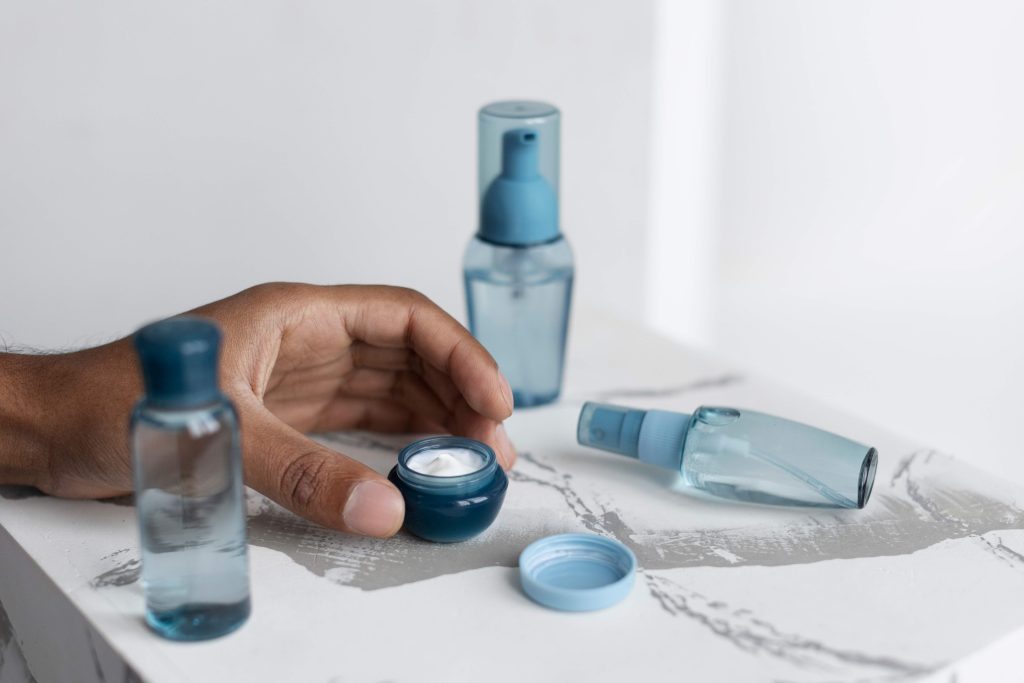
Cosmetic product development is the process of transforming an initial concept into a finished product that meets defined quality, safety, performance and commercial requirements. It brings together market research, ingredient selection, formulation, testing, packaging, regulatory assessment and commercialization.
A successful product must do more than appeal to consumers. Its formulation must remain suitable throughout its intended shelf life, its performance claims must be adequately supported, and advances in cosmetic manufacturing make it possible to produce stable emulsions at commercial scale. Every successful product development project balances consumer desirability with technical viability. Throughout the product development lifecycle, a dedicated project manager must coordinate analytical testing, regulatory reviews, and supply chain milestones.
According to Rico et al. (2024), analytical approaches are essential to understanding the physical and chemical characteristics of cosmetic formulations and optimizing their performance. These methods can help professionals evaluate properties such as texture, viscosity, stability and other characteristics that influence both product quality and the consumer experience.
The development process generally involves six interconnected stages.
2. The Key Stages of Cosmetic Product Development
2.1. Consumer Insights, Ideation and Concept Development
Every cosmetic product begins with a market opportunity and an initial phase of ideation. Before investing in formulation and production, businesses need to understand their target audience, identify market whitespace, and determine how their product will differentiate itself from competing offerings.
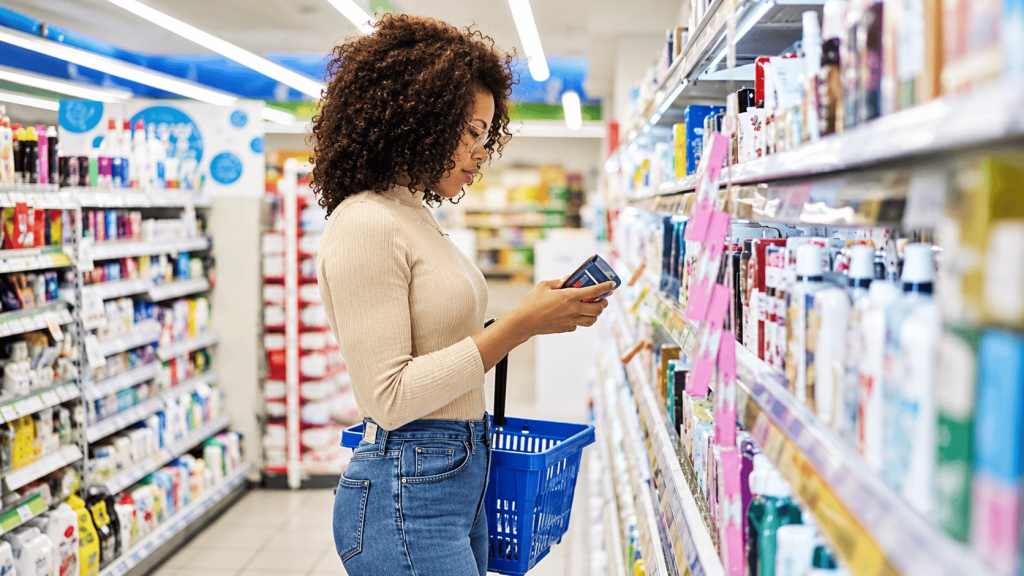
Consumer research can explore preferences relating to hydration, anti-aging, sunscreen products, sensitive skin, textured hair, scalp care, fragrances, and color cosmetics. It can also investigate purchasing habits, preferred product formats, price sensitivity and perceptions of ingredients. Translating these insights into clear product briefs establishes baseline technical product specifications before laboratory work begins.
These questions are particularly relevant in Africa, where beauty routines, climatic conditions, skin tones, hair textures and purchasing power differ across markets.
Research conducted by Djoma and Tsapi (2013) among 1,005 cosmetic consumers in Cameroon found that perceived novelty, perceived usefulness and individual consumer characteristics influenced the adoption of new cosmetic products. Their findings highlight the importance of understanding consumer perceptions when developing and introducing new products.
For brands operating in African markets, this means validating unique product concepts through consumer research rather than assuming that a successful product in one country will automatically succeed in another.
2.2. Ingredient Selection and Cosmetic Formulation
Once a product concept has been established, formulators select ingredients and determine how they will work together to achieve the desired characteristics. Effective formulation development requires balancing functionality, compatibility, texture, fragrance, cost, stability and safety. During formula development, the mixture must also be optimized for its intended packaging and manufacturing process.
At this stage, skilled cosmetic chemists evaluate how active ingredients interact. They formulate each batch to ensure that delicate plant-derived materials remain stable and potent, whether designing an antioxidant-rich serum or a nourishing emulsion.
Africa offers rich opportunities to explore botanical ingredients such as baobab oil, marula oil, shea butter and other locally sourced plant-derived materials.
Vermaak et al. (2011), in their review published in the South African Journal of Botany, examined six commercially important African plant species and their seed oils, including baobab, marula and Kalahari melon. The authors discussed their composition, physicochemical properties, biological activities and potential cosmetic applications.
This research provides a scientific basis for investigating African botanical ingredients in cosmetic formulation. Nevertheless, traditional use or promising ingredient properties alone do not establish the safety or effectiveness of a finished product. Appropriate characterization, quality control and formulation-specific testing remain essential.
Mellou et al. (2019) also reviewed renewable sources used in personal care formulations, including ingredients derived from biotechnology and industrial by-products. Their work illustrates how research into alternative raw materials can contribute to the development of new cosmetic ingredients and formulations.
For an emerging beauty brand, collaborating with qualified formulators and reliable ingredient suppliers is an important step towards creating differentiated products while maintaining consistent quality.

2.3. Testing for Safety, Stability and Performance
Before a cosmetic product reaches the market, its quality and safety must be evaluated through assessments appropriate to its formulation, intended use and applicable regulations. Ensuring uncompromising product safety requires that every formulation undergo comprehensive evaluation.
Depending on the product, these assessments may include:
- Stability testing to evaluate changes in appearance, texture, odour, viscosity and other relevant properties over time.
- Microbiological quality testing to assess contamination risks.
- Preservative efficacy testing where appropriate.
- Packaging compatibility studies to identify potential interactions between the product and its container.
- Performance evaluations and scientific substantiation of product claims.
Kirkbride et al. (2021) examined the development of suitable shelf-life testing protocols for cosmetic products, emphasizing the need to consider changing retail conditions and product distribution contexts.
For businesses targeting African markets, these considerations are particularly relevant when products may encounter different storage temperatures, humidity levels and transportation conditions. Modern cosmetic science provides sophisticated methodologies to substantiate claims and reduce the risk of costly corrective actions before market entry.
Rico et al. (2024) further demonstrate the importance of analytical methods in evaluating formulation properties and product performance. Integrating testing early in the development process can help manufacturers identify formulation problems before launch, improve product consistency and ensure regulatory alignment.

2.4. Packaging Development and Sustainability
Strategic packaging development is an integral part of cosmetic product development. It protects the formulation, facilitates dispensing and storage, communicates brand identity and contributes to the overall consumer experience.
From formulation to packaging, container choices must account for compatibility with the formulation, protection against contamination, transport requirements, usability and production costs.
Sustainability also plays an increasingly important role in product design. Options such as refillable formats, recyclable materials, reduced packaging and more efficient resource use can help companies address environmental concerns.
In their systematic literature review, Rocca et al. (2022) examined sustainability across the cosmetic sector from a product lifecycle perspective. Their research explored sustainable practices across the value chain and highlighted the importance of involving multiple stakeholders in the transition towards more sustainable products.
For African manufacturers and cosmetics brands, sustainable packaging strategies should also consider local infrastructure, material availability, collection systems and affordability. A packaging solution should be assessed not only for its environmental potential but also for its practical suitability within the market where the product will be sold.
2.5. Regulatory Compliance and Quality Assurance
Regulatory compliance is a fundamental part of cosmetic product development. Requirements may cover ingredient restrictions, safety assessments, labelling, product claims, documentation and the responsibilities of manufacturers or other designated parties.
Businesses planning to sell products across several African countries must identify the requirements applicable to each target market. Regulatory frameworks, registration procedures and labelling obligations may differ between jurisdictions.
Compliance should therefore be considered from the earliest development stages. Selecting ingredients, designing packaging and preparing product claims without considering regulatory requirements can lead to reformulation, additional costs or delays in commercialization.
A structured quality assurance process also helps businesses maintain consistency between batches and establish reliable manufacturing practices. For companies planning international expansion, early collaboration with regulatory specialists can facilitate the preparation of documentation and the adaptation of products to the relevant markets.
2.6. Commercialization and Market Launch
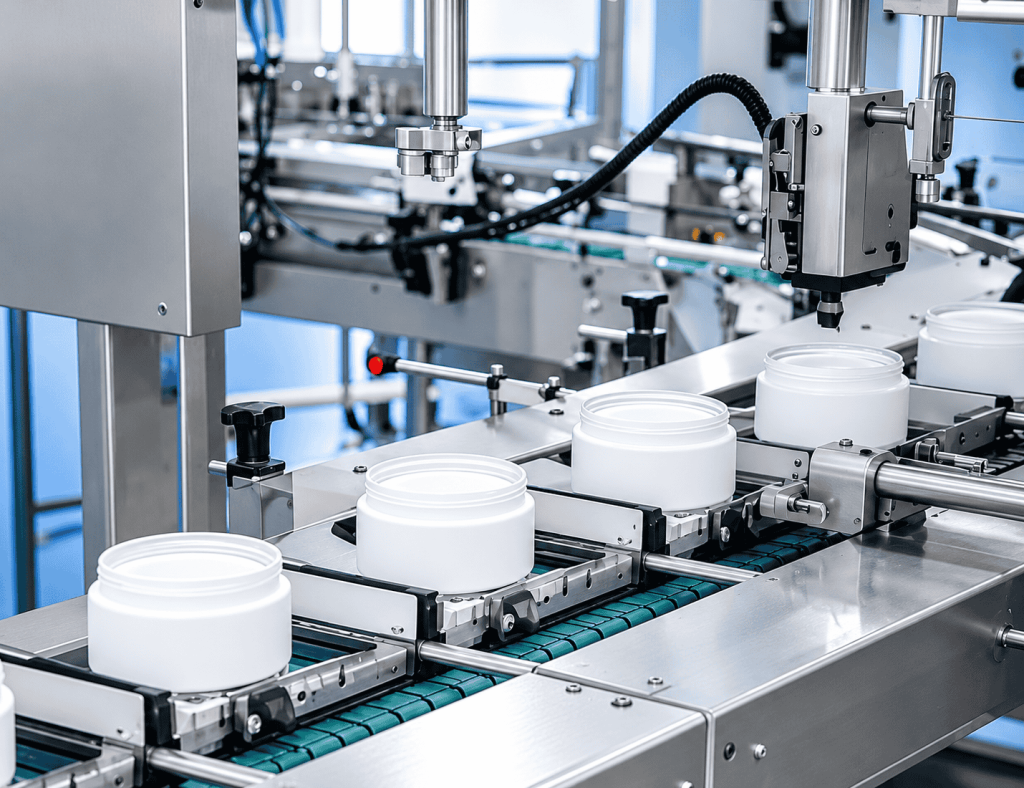
The final stage involves transforming a validated product into a commercially viable offering. A comprehensive go-to-market strategy requires production planning, supplier coordination, pricing, distribution, marketing and communication. Executing successful product launches across competitive retail landscapes depends on clearly communicating product benefits.
Consumer education is particularly important when introducing unfamiliar ingredients or novel market offerings. As the research of Djoma and Tsapi (2013) suggests, perceived usefulness and consumer characteristics can influence the adoption of new cosmetic products. Equipping retail partners with thorough product knowledge ensures that consumers understand how to use these new offerings effectively.
For emerging African brands, choosing an experienced manufacturing partner and collaborating with certified laboratories, packaging suppliers, distributors and retailers can provide access to technical expertise and commercial networks.
Successful commercialization ultimately depends on aligning product quality, consumer expectations, pricing, regulatory compliance and distribution capabilities.

3. Why Africa Matters in Cosmetic Product Development
Africa represents a diverse landscape of opportunities for cosmetic innovation. Its importance extends beyond consumer demand to include ingredient development, research, local manufacturing and the creation of distinctive beauty enterprises.
3.1. Developing Products for Diverse Consumer Needs
The African beauty market cannot be treated as a single, homogeneous market. Preferences and needs vary across countries, regions, communities and consumer groups.
This diversity creates opportunities for businesses to develop targeted skincare, hair styling and personal care products informed by local consumer research. Addressing localized skin physiology and phototypes has also accelerated interest in cosmetic dermatology, bridging clinical insights with everyday personal care rituals.
The findings of Djoma and Tsapi (2013) provide a useful illustration of why consumer perceptions matter in product adoption. Their research in Cameroon suggests that the success of an innovation depends partly on how consumers evaluate its novelty and usefulness. For cosmetic companies, understanding local preferences can support better product positioning, more relevant formulations and more effective communication strategies.
3.2. Unlocking the Potential of African Botanical Ingredients
African botanical resources offer opportunities to develop distinctive ingredients and create value across agricultural and cosmetic supply chains.
Vermaak et al. (2011) provide a relevant scientific reference by examining seed oils from African plant species and their potential cosmetic applications. Their review discusses both the physicochemical properties of these oils and their broader commercial significance.
Building on this research requires investment in ingredient characterization, traceability, quality standardization and responsible sourcing. It also requires collaboration between researchers, agricultural producers, ingredient processors and cosmetic manufacturers. When these conditions are met, locally sourced materials can become part of innovative formulations and differentiated product portfolios.
However, the commercial potential of an ingredient depends on more than its botanical origin. Consistent quality, safety, formulation compatibility, cost and reliable supply are equally important.
3.3. Strengthening Local Cosmetic Manufacturing and Technical Expertise
Developing a competitive cosmetic industry requires more than access to raw materials; it also depends on R&D laboratories, testing facilities, qualified professionals, reliable manufacturing infrastructure and appropriate quality systems. Investment in local cosmetic manufacturing can help African businesses move beyond the distribution of finished products towards greater participation in product research, formulation, processing and manufacturing.
The rise of local production has also catalyzed an influx of specialized career opportunities across the continent. While professionals traditionally browsed global corporate portals to view all Estée Lauder jobs or track executive appointments at LVMH, the regional expansion is creating competitive local roles in cosmetic formulation, quality control, and regulatory affairs.
Today, demand is accelerating for candidates seeking cosmetic product development jobs and beauty product development jobs within homegrown laboratories. Qualified talent can step into diverse positions ranging from development coordinator to senior product development manager, while international recruitment boards increasingly list manager of product development jobs and executive development director jobs centered on African markets. For professionals tracking jobs in new formulation centers and manufacturing hubs, the continent represents an expanding professional landscape.
3.4. Integrating Sustainability into Product Innovation
Sustainability can influence decisions throughout the cosmetic product lifecycle, from raw material sourcing and formulation to packaging, manufacturing and distribution.
Rocca et al. (2022) identify product lifecycle considerations and stakeholder collaboration as important elements of sustainability in the cosmetics industry. Mellou et al. (2019) also explore renewable sources for personal care formulations, illustrating the relevance of alternative raw materials in cosmetic innovation.
In Africa, these perspectives create opportunities to explore responsibly sourced botanical ingredients, improved resource efficiency and packaging adapted to local infrastructure.
Nevertheless, sustainability claims should be supported by appropriate evidence. The use of a natural ingredient does not automatically make a product more sustainable, and environmental benefits should be evaluated in relation to sourcing, processing, formulation, packaging and end-of-life considerations.

4. COSMETICA AFRICA: Connecting Beauty Professionals and Industry Opportunities
As cosmetic product development becomes increasingly collaborative, industry exhibitions provide opportunities for professionals to discover solutions, exchange knowledge and establish business relationships.
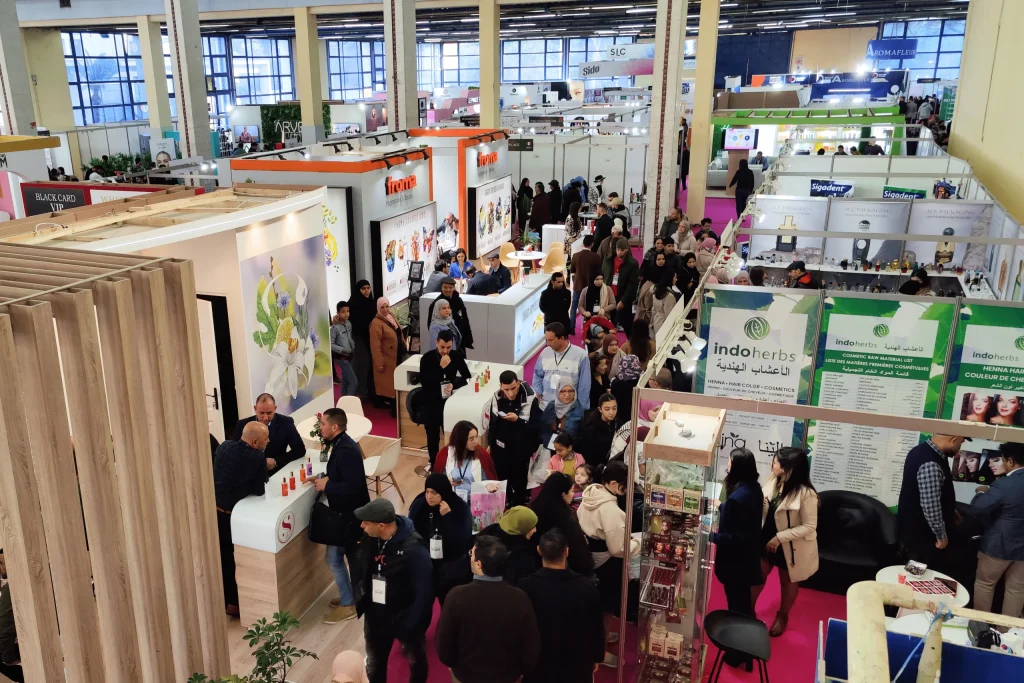
COSMETICA AFRICA brings together stakeholders from the cosmetics, beauty and personal care industries, providing a platform for manufacturers, brands, distributors, suppliers and other professionals to connect.
For businesses involved in cosmetic product development, industry exhibitions can facilitate contact with ingredient suppliers, packaging specialists, manufacturers and potential distribution partners. They also provide opportunities to explore emerging technologies, compare product prototypes and identify potential collaborations.
These connections are particularly relevant to companies seeking to strengthen their product development capabilities, expand their portfolios or explore new markets.
COSMETICA AFRICA’s upcoming fifth edition will take place from 13 to 16 January 2027 at the Palais des Expositions SAFEX in Algiers, Algeria. The exhibition will offer industry professionals an opportunity to discover products and solutions across the beauty value chain, develop business relationships and explore opportunities within the African market.
Professionals interested in attending can find further information on the official website:
For brands, manufacturers and suppliers, participating in industry events can be a useful step towards identifying partners and exploring new opportunities for innovation and business development.
5. The Future of Cosmetic Product Development in Africa
The future of cosmetic product development in Africa will depend on the industry’s ability to combine scientific expertise, consumer insight, responsible sourcing and competitive manufacturing.
Academic research demonstrates the importance of several elements in this process. Analytical methods support the characterization of cosmetic formulations (Rico et al., 2024), research into African seed oils illustrates opportunities for botanical ingredient innovation (Vermaak et al., 2011), and studies of consumer behaviour highlight the role of perceived usefulness and novelty in the adoption of new products (Djoma & Tsapi, 2013). At the same time, sustainability research emphasizes the need to consider environmental and operational impacts across the product lifecycle (Rocca et al., 2022).
Together, these perspectives suggest that successful innovation requires an integrated approach. Businesses must identify genuine market needs, develop scientifically sound formulations, validate product quality, meet regulatory requirements and establish reliable routes to market.
For African beauty enterprises and manufacturers, the opportunity is not simply to introduce more products. It is to develop relevant, high-quality and competitive solutions that respond to diverse consumer demands while creating value throughout the supply chain.
As the beauty industry continues to evolve, collaboration between researchers, manufacturers, ingredient suppliers, brands and distributors will remain essential to strengthening the cosmetic product development ecosystem.
Looking to explore new opportunities in Africa’s beauty sector? Join beauty professionals and industry stakeholders at COSMETICA AFRICA, taking place from 13 to 16 January 2027 in Algiers, and discover new connections across the beauty value chain.
References
Djoma, D., & Tsapi, V. (2013). L’adoption des produits cosmétiques par les consommateurs camerounais : La forte incidence de la nouveauté perçue, de l’innovativité, de l’implication et des valeurs. La Revue Gestion et Organisation, 5(2), 138–147. https://doi.org/10.1016/j.rgo.2013.12.006
Kirkbride, L., Humphries, L., Kozielska, P., & Curtis, H. (2021). Designing a suitable stability protocol in the face of a changing retail landscape. Cosmetics, 8(3), Article 64. https://doi.org/10.3390/cosmetics8030064
Mellou, F., Varvaresou, A., & Papageorgiou, S. (2019). Renewable sources: Applications in personal care formulations. International Journal of Cosmetic Science, 41(6), 517–525. https://doi.org/10.1111/ics.12564
Rico, F., Mazabel, A., Egurrola, G., Pulido, J., Barrios, N., Marquez, R., & García, J. (2024). Meta-analysis and analytical methods in cosmetics formulation: A review. Cosmetics, 11(1), Article 1. https://doi.org/10.3390/cosmetics11010001
Rocca, R., Acerbi, F., Fumagalli, L., & Taisch, M. (2022). Sustainability paradigm in the cosmetics industry: State of the art. Cleaner Waste Systems, 3, Article 100057. https://doi.org/10.1016/j.clwas.2022.100057
Vermaak, I., Kamatou, G. P. P., Komane-Mofokeng, B., Viljoen, A. M., & Beckett, K. (2011). African seed oils of commercial importance: Cosmetic applications. South African Journal of Botany, 77(4), 920–933. https://doi.org/10.1016/j.sajb.2011.07.003