



Beauty has never been a universal or static concept. Across Africa, perceptions of beauty have been shaped by local traditions, cultural identities, social norms, media, globalization and, historically, colonial influences. Today, the African beauty landscape is undergoing another transformation as consumers increasingly seek products, representations and brands that reflect the diversity of African skin tones, hair textures, cultural identities and beauty practices.
For the cosmetics industry, this evolution is more than a cultural shift. It is influencing consumer expectations, product development, marketing strategies and the types of beauty brands gaining visibility across African markets.
Beauty in Africa Has Never Been One-Dimensional
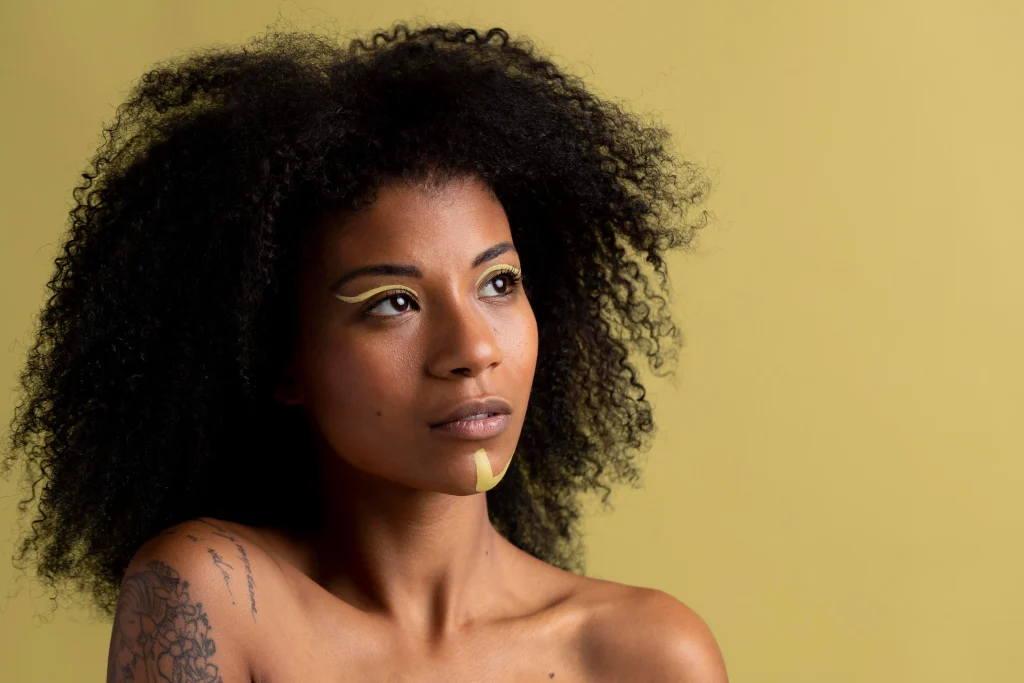
Africa is home to more than 1.4 billion people across 54 countries, with considerable differences in ethnic groups, cultures, climates, traditions and beauty practices. As a result, speaking of a single “African beauty standard” can be misleading.
Beauty ideals differ significantly from one region to another. A comparative study of Black African women in Kenya and Nigeria found differences between the two groups in several dimensions of body image, including body ideals, skin-colour satisfaction and the internalization of Eurocentric beauty ideals. The researchers emphasized the importance of considering regional and cultural differences when examining appearance and beauty perceptions among African women (Balogun-Mwangi et al., 2023).
This suggests that African beauty cannot be reduced to a single aesthetic. Instead, it should be understood as a collection of constantly evolving beauty cultures.
The Historical Influence of Eurocentric Beauty Ideals
The contemporary discussion surrounding African beauty standards cannot be separated entirely from history. Colonialism, globalization and Western media have contributed to the establishment and circulation of Eurocentric representations of beauty in parts of Africa. These influences have affected perceptions of skin colour, hair texture and facial features.(Akinro and Mbunyuza-Memani, 2019).
Research examining the representation of African women in four influential African magazines between 2010 and 2015 found that the representations analyzed did not adequately reflect the diversity of African women in terms of body sizes, skin tones and hair types. The study also identified the continued presence of white, Western or Eurocentric beauty ideals within these representations (Akinro and Mbunyuza-Memani, 2019).
Hair has also been an important part of this discussion. Research on African natural hair argues that colonial and Western-oriented beauty systems contributed to the stigmatization of some Afrocentric hairstyles and hair textures, positioning Western-oriented styles as more desirable in certain social contexts.(Montle, 2020).
However, describing contemporary African beauty exclusively through the lens of colonial influence would also oversimplify the situation. African consumers actively reinterpret, combine and transform global and local influences. Braids, natural hairstyles, protective styles, traditional ingredients, contemporary makeup and international beauty trends can coexist within the same beauty ecosystem.
Skin Tone and the Complex Question of Skin Lightening
One of the most documented aspects of African beauty standards is the relationship between skin tone and beauty. Skin-lightening practices exist in many parts of the world, but they have attracted particular attention in African countries. Research identifies several factors behind these practices, including social norms, perceptions of attractiveness, media representation, economic and social motivations, and historical attitudes toward skin colour (de Souza, 2008; Adetoogun et al., 2023).
The health dimension of skin-lightening practices cannot be ignored. The World Health Organization warns that some skin-lightening products contain hazardous substances such as mercury. Mercury exposure can cause serious health effects, including neurological and kidney damage, while mercury-containing cosmetics are restricted under the Minamata Convention on Mercury (WHO, 2019).
Research conducted on skin-lightening products sold in West African markets has also raised concerns about product composition. A study analyzing 93 lightening soaps and 98 creams found that a substantial proportion exceeded regulatory limits for at least one of the investigated active ingredients, including mercury, hydroquinone and clobetasol propionate. The researchers also found discrepancies between some product labels and the concentrations measured in the products (Gbetoh et Amyot, 2016).
The discussion around beauty standards therefore intersects with another major issue for the African cosmetics industry: consumer safety and product regulation.
The Rise of African-Centred Beauty Identities
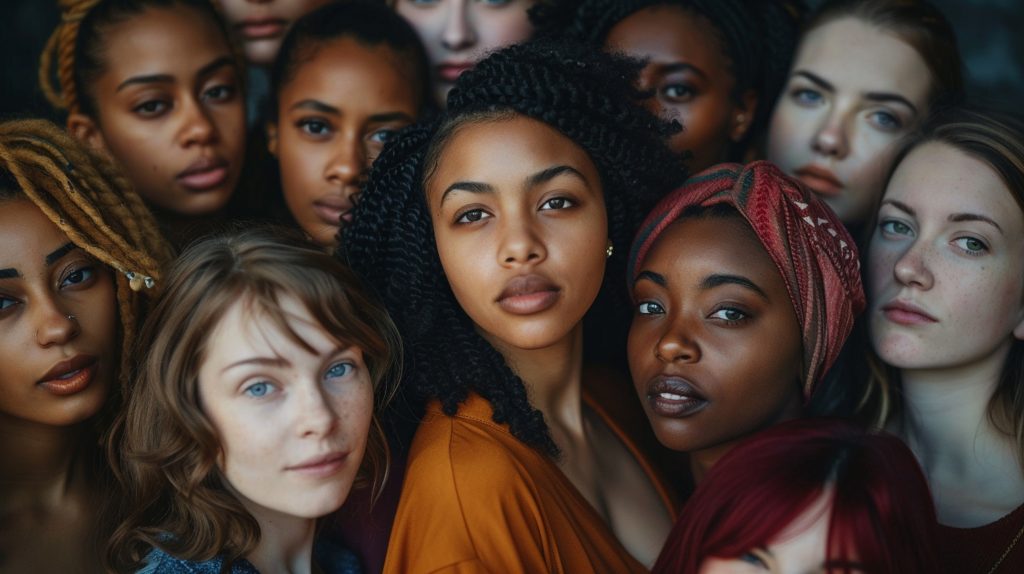
Alongside these challenges, another transformation is taking place. African consumers are increasingly participating in the creation of beauty narratives rather than simply consuming standards developed elsewhere. Natural hair movements, African-inspired formulations, local beauty brands, traditional ingredients and representations of darker skin tones have become increasingly visible in contemporary beauty culture (Balogun-Mwangi et al., 2023).
This does not mean that Western beauty influences have disappeared. Rather, African beauty markets are becoming more hybrid. International trends coexist with local practices, while African consumers increasingly expect products to respond to their own characteristics and preferences.
This evolution is particularly significant because representation is increasingly connected to the way beauty products are designed and marketed. The question is no longer simply how African consumers are represented, but also whether products adequately respond to the diversity of their physical characteristics and beauty practices (Akinro and Mbunyuza-Memani, 2019; Montle, 2020).
From Representation to Product Development
The evolution of beauty standards is creating opportunities for cosmetics companies willing to understand African consumers at a more granular level.
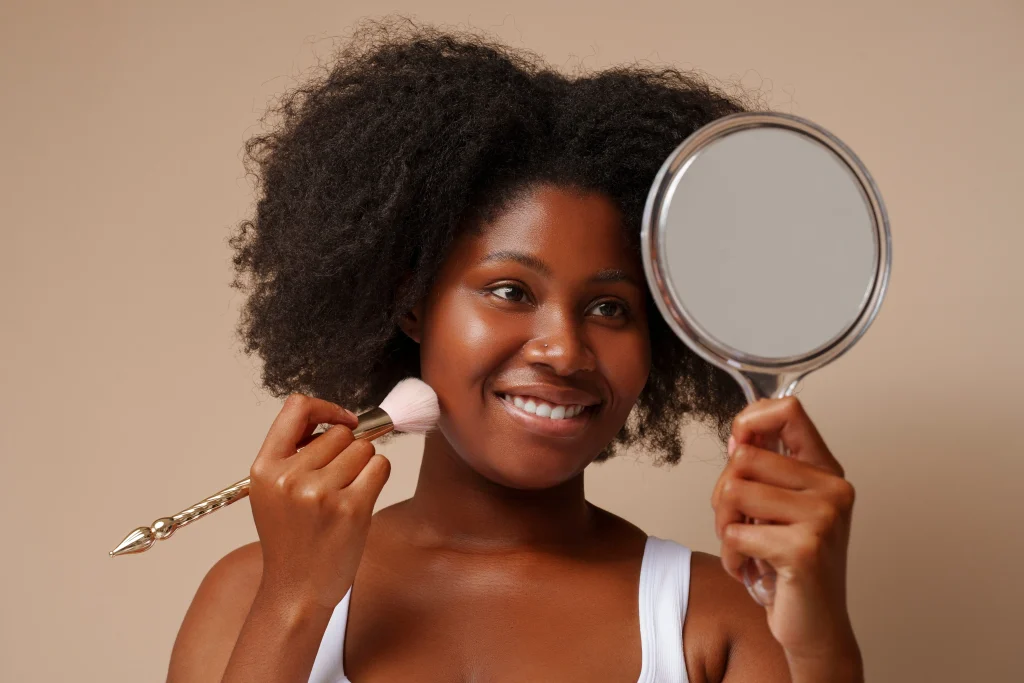
Inclusive complexion products. African markets encompass a broad spectrum of skin tones and undertones. Greater representation can therefore encourage brands to expand shade ranges and develop complexion products adapted to a wider diversity of consumers.
Haircare adapted to African hair. The diversity of African hair textures has generated demand for products specifically designed for natural hair, protective styles, textured hair and different scalp and haircare routines.
Ingredients connected to African traditions. Ingredients traditionally used across African communities are increasingly incorporated into contemporary cosmetic formulations. This creates an intersection between cultural heritage and modern formulation science.
Local manufacturing. The development of African cosmetic manufacturing can enable companies to formulate products closer to their target consumers and respond more directly to regional preferences.
More representative beauty communication. Advertising and digital content are also changing. Consumers are increasingly exposed to a broader representation of skin tones, hairstyles, body types and cultural identities.
The transformation of African beauty standards therefore has implications beyond aesthetics. It is contributing to a broader reconfiguration of the relationship between identity, consumption and the cosmetics industry.
Beauty Standards Are Becoming More Plural
The most important development may not be the replacement of one beauty standard with another.
Instead, the African beauty landscape appears to be moving toward greater plurality.
The question is increasingly shifting from:
What should African beauty look like?
to:
How can the beauty industry respond to the many ways African consumers define and experience beauty?
This distinction matters.
Africa does not represent a single consumer profile. A consumer in Algeria may have different skincare concerns and beauty routines from a consumer in Nigeria, Kenya, Ghana or South Africa. Even within the same country, preferences can differ according to age, gender, climate, income, cultural background, urbanization and exposure to global media.
For brands, this creates both a challenge and an opportunity: understanding African beauty requires moving beyond generalized assumptions and investing in consumer research, local expertise and market-specific product development.
What This Means for the Future of the African Beauty Industry
The evolution of beauty standards is occurring at the same time as African cosmetics markets are developing. Health and safety will remain particularly important. In 2026, the WHO highlighted the role of behavioural and social factors, including beauty ideals, social norms and advertising, in shaping skin-lightening practices and launched a behavioural-insights toolkit intended to help countries address harmful skin-lightening practices (World Health Organization, 2026).
For the industry, this points toward a more informed model of beauty in which cultural relevance, consumer expectations, scientific credibility and product safety increasingly need to coexist.
COSMETICA AFRICA: A Meeting Point for Africa’s Changing Beauty Industry
These transformations are unfolding within a rapidly developing African cosmetics ecosystem, where industry platforms play an increasingly important role in bringing together the different actors shaping the sector.
Among them, COSMETICA AFRICA connects brands, manufacturers, suppliers, distributors, beauty professionals and other industry stakeholders from Algeria, across Africa and international markets. By creating opportunities for professional exchange and business connections, the exhibition reflects the growing diversity and international reach of the African beauty industry.
The 2027 edition will take place from 13-16 January 2027 at the Palais des Expositions SAFEX in Algiers, across the Central and Palestine Pavilions. The upcoming edition is expected to bring together more than 500 exhibitors and participants from over 25 countries, further reflecting the growing international dimension of Africa’s beauty and cosmetics sector.
The exhibition covers a broad spectrum of the beauty ecosystem, including skincare, haircare, makeup, dermocosmetics, natural cosmetics, private label, raw materials, packaging, machinery and finished products. This diversity mirrors the increasingly interconnected nature of the industry, where consumer preferences, product development, manufacturing capabilities and international markets are closely linked.
More than an exhibition, COSMETICA AFRICA provides a meeting point for the different dimensions of this transformation, from consumer trends and formulation to manufacturing, regulation, technology, distribution and international business development.
As African beauty standards continue to evolve, the future of the industry will not be defined by a single universal image of beauty. It will increasingly reflect the diversity of African consumers, the brands developing products in response to their needs, and the professionals creating connections and opportunities across the continent.
References:
Adetoogun, J. I., Aderinto, N., Ashimi, A. A., Akano, D. F., Ogundipe, T. O., & Fikayomi, P. B. (2023). Practice and motivations for skin bleaching among Africans. International Journal of Surgery, 109(2), 218–219. https://doi.org/10.1097/js9.0000000000000141
Akinro, N., & Mbunyuza-Memani, L. (2019). Black is not beautiful: Persistent messages and the globalization of “white” beauty in African women’s magazines. Journal of International and Intercultural Communication, 12(4), 308–324. https://doi.org/10.1080/17513057.2019.1580380
Balogun-Mwangi, O., Robinson-Wood, T. L., DeTore, N. R., Edwards George, J. B., Rodgers, R. F., & Sanchez, W. (2023). Body image and Black African women: A comparative study of Kenya and Nigeria. Body Image, 45, 331–342. https://doi.org/10.1016/j.bodyim.2023.03.017
de Souza, M. M. (2008). The concept of skin bleaching in Africa and its devastating health implications. Clinics in Dermatology, 26(1), 27–29. https://doi.org/10.1016/j.clindermatol.2007.10.005
Gbetoh, M. H., & Amyot, M. (2016). Mercury, hydroquinone and clobetasol propionate in skin lightening products in West Africa and Canada. Environmental Research, 150, 403–410. https://doi.org/10.1016/j.envres.2016.06.030
Montle, M. E. (2020). Debunking Eurocentric ideals of beauty and stereotypes against African natural hair(styles) : an Afrocentric perspective. Journal of African Foreign Affairs, 7(1), 111–127. https://doi.org/10.31920/2056-5658/2020/7n1a5
World Health Organization. (2019). Mercury in skin lightening products. Geneva: WHO, https://www.who.int/publications/i/item/WHO-CED-PHE-EPE-19.13/
World Health Organization. (2026). Understanding the use of skin lightening products: A toolkit for behavioural data collection, https://www.who.int/news/item/05-05-2026-behavioural-insights-toolkit-helps-countries-address-harmful-skin-lightening-practices